How to Pack Like a Pro: Expert Tips for a Stress-Free Move

How to Pack Like a Pro: Expert Tips for a Stress-Free Move
How to Pack Like a Pro: Expert Tips for a Stress-Free Move
To prevent your belongings from damage and leaks while they are being transported, you should be sure that they are efficiently packed. The task seems easy, but this is a challenge, deep down. The larger the house you have, the more stuff you should organize for the move. It must be classified, accurately sorted, and arranged on time. But you may need most things while still staying in the house. This is a double bind. How not to mess everything up?
To withstand two contradictory choices, you should hire a moving company that knows how to manage the process in a stress-free manner. You can select the best-suited one on an AI-powered platform, gptmove.com, where only unbiased solutions are suggested. Or else, you can act on your own by following the tips from this article.
Start Early and Create a Packing Plan
To succeed in packaging, you should start about 2 months before the departure date. A clear, step-by-step plan will be of help. It should include key activities and a timeline, like:
1. Find large and small boxes or containers made of cardboard or plastic, 7–8 weeks before the move date
2. Buy packing materials and a permanent marker to label boxes, 6–7 weeks before the move date.
3. Declutter your storage units in the house, donate or sell goods in relatively good condition, and get rid of unwanted and worn-out stuff, 5–6 weeks before the move date.
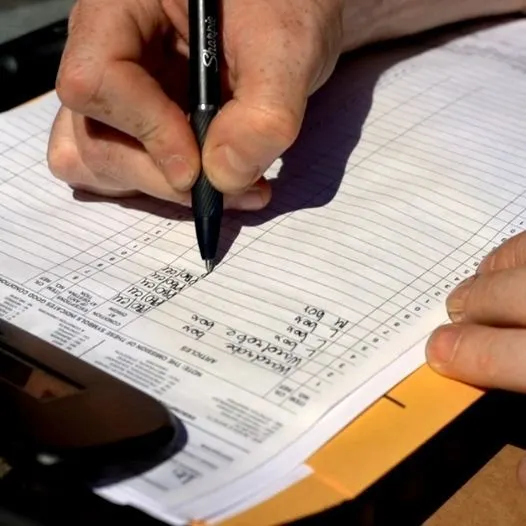
4. Take inventory of your belongings by writing down every item you are going to transport to your new house. 4–5 weeks before the move date.
5. Pack things room by room. You may start with kitchenware and other things you will not use before your move. Boxes with such goods should be labeled. 2–3 weeks before the move date.
6. Complete packaging of most of your stuff. 1 week before the move date.
You may have items that require unique, efficient handling. To provide it, you should consider special supplies. Anyway, you should have lots of packing materials at your disposal to wrap belongings, fill gaps inside boxes, and fix boxes to provide safe and proper transportation.
If you are going to do without professional assistance, you should consider the following checklist:
- Do not fill a large package with lots of heavy items, as you will have to lift it later.
- Use the space in your boxes accurately to reduce the number of boxes.
- Disassemble large items like furniture or equipment to make them easier and save box space.
- Roll clothes, but do not fold them to avoid deep wrinkles.
- Use bedclothing or blankets for cushioning fragile items, dishes, and other goods.
- Do not save on tapes to seal packages and reinforce the bottoms of heavy ones.
- Add handling instructions to labels with the content and attach them to several sides of a box.
As to labeling, it is highly recommended that you go beyond mentioning a room where things are from on a label. It is more efficient to give more information, like the category of goods (“Sam’s summer clothes”). You can even add the list of key items packed inside. Thus, you will find the urgently needed things without opening all the boxes in disorder.
Gather Quality Packing Supplies
To tidy your belongings, protect, wrap, and cushion them for the long-distance relocation, you should have lots of materials. You will need:
- sturdy boxes of various sizes (small ones should be used for heavy goods);
- durable packing tape that adheres properly to fix packs;
- packing paper to isolate each item or organize tiny ones;
- bubble wrap to cushion fragile things;
- vacuum-sealed bags for clothes and wardrobe crates;
- supplies tailored for special goods like cartons for your TV or bags for mattresses;
- labels to attach to packs to describe the content;
- bright and permanent markers to write on labels;
- plastic bins for essentials that you want to access immediately upon arrival;
Such supplies can easily be bought in local stores or on dedicated websites, including Amazon and Haul. You can also try to get clean boxes in grocery or liquor stores, where dry goods are delivered in such a way.
Declutter Before You Pack
Before going ahead, you should ensure that you have all the stuff for relocation. You should declutter rooms in your house and garage. This will reduce the weight of the shipment, which will result in lower moving costs. Additionally, it would be a silly mistake to spend money and effort to pack things that would not be used in a new place. There is a cherry on the cake. When you have a comprehensive idea of the volume of your belongings, you will find the needed item faster in the future.
The above convincing reasons for decluttering should convince you to take it seriously and get rid of anything supposed to be unwanted in the future. When deciding on deletion, you should pay attention to restrictions that are stipulated by the US Department of Transportation in terms of hazardous materials. In the USA, moving companies are not allowed to accept them because of safety concerns. They are fireworks, gasoline, car batteries, food that can spoil while being transported, and more.
Protect Fragile and Valuable Items
Fragile items made of glass and other things that require specific handling while being transported should be packed according to their peculiarities. You can wrap them in padding material like soft towels and bubble wrap. To prevent water penetration, you can use plastic bags or containers.
You should ensure that each such item is wrapped independently; that will keep things from breaking. To avoid free movement inside, you should fill gaps with crumpled paper or foam peanuts. Finally, you should check each box with fragile content to ensure it is reliably sealed with packing tape.
To know where such specific goods are stored, you should mark these storage systems (containers or packs) as “Fragile”. This will help people who will load and unload your belongings handle these very units with due care. You can even single them out from the total volume in a truck or container to remember their fragility in a new place and handle them with caution.
Use Smart Packing and Labeling Techniques
Smart packaging is not only about your thoughtful approach to the process. This is about technologies that improve certain stages related to packaging and protect your belongings. You can use digital identifiers to define the category of shipments to authenticate it precisely, inform of the term secure for consumption if it matters, and provide the necessary information for tracking. Moving companies commonly use such labeling techniques as RFID tags and QR codes to manage the process and let you access real-time data about your stuff being transported to another state in the USA.
Keep Essentials Easily Accessible
You should highlight urgent boxes with the “Open Me First” note. This is so easy and obvious, but inexperienced people forget to do this and have headaches in a new place. Unpacking and settling take time, while you will need something of everyday use immediately upon arrival. A checklist for such essentials can be as follows:
- documents;
- medicine chest;
- a fresh extra set of clothes;
- toiletries;
- chargers for gadgets.
Every family member can have such a box. If you have pets, you should think of them too and pack meals, dishes, and other essentials. You should easily define them among others to access them as soon as the shipment is delivered to your new house. This will allow you to feel more comfortable from the very first hours in a new place.
Leaving packaging for the last minute is not a good idea. This commonly results in lost and damaged belongings and overcharges. You should start taking an inventory count as soon as you define an exact move date. Procrastinating will increase expenses caused by careless mistakes.
You should have extra packing materials and boxes. And it is always rewarding when there are essential boxes with all you may need on the first day upon arrival. Also, to put your unpacking straight, you should spend time on preparing detailed labels.
The above tips will help you arrange things for the move in a stress-free manner ahead of schedule. And still, it is worth emphasizing that professional packaging does differ due to the use of secret techniques and confident experience in performing such tasks. You can find an expert at gptmove.com and save your time and effort.

The Ultimate Moving Checklist: Everything You Need to Know Before Relocating
State-to-State Moving Guide: Costs, Timelines, and Best Practices